how football coaches dress: practical sideline gear
How football coaches dress depends on the team, weather, and setting, but the goal is consistent: wear practical, team-appropriate clothing that lets you move and stay comfortable. For most games, that means a team-branded top, weather-ready layers, and supportive shoes suited to the field.

Champro Boys' Scorpion Football Shoulder Pad
Check Price on AmazonThere is no single outfit every coach must wear. School policies, league expectations, and team traditions can shape the look, while temperature and time on your feet affect what works. Here’s how to choose game-day and practice clothing, adapt for different conditions, and avoid common sideline mistakes.
How football coaches dress for games and practices
Most football coaches wear team-branded clothing that is practical for the field. A polo, quarter-zip, sweatshirt, or team jacket is common, paired with comfortable pants or shorts and stable athletic shoes. The outfit should look organized without restricting movement or distracting from the team.
That general approach changes with the role. A head coach may choose a coordinated, polished outfit for games, while assistant coaches may dress for frequent movement between players, position groups, and equipment. A youth coach may need clothing that can handle demonstrations and hands-on instruction. In every case, the outfit should fit the team’s expectations and the conditions that day.
Practice attire is usually more movement-focused than game-day clothing. Coaches may wear athletic shirts, training pants, shorts, and shoes with reliable traction. For a game, some teams prefer polos, branded outerwear, or a consistent color scheme. Others allow a more relaxed look. Check the team’s dress code before buying or planning an outfit; there is no universal coach uniform.
Choose clothes based on your coaching role
Start with what you will do on the sideline. A coach who spends most of the game communicating from a designated area may prioritize warmth and a clear, professional appearance. A position coach who moves along the sideline needs clothing that allows a full stride and shoes that feel steady on grass or turf.
Consider how the outfit works with your equipment, too. A headset, microphone, play sheet, or radio should be easy to use without getting tangled in loose fabric. Pockets can be useful, but bulky items may shift or fall out when you move. Keep anything essential secure and easy to reach.
| Coaching situation | Useful clothing choices | Best for |
|---|---|---|
| Game-day head coach | Team polo or quarter-zip, neat pants, weather-ready outer layer | A coordinated sideline appearance with room to move |
| Assistant or position coach | Team top, flexible athletic pants or shorts, supportive shoes | Frequent movement and player instruction |
| Cold-weather game | Moisture-managing base layer, insulating midlayer, wind-resistant shell | Long periods outdoors in cold or windy conditions |
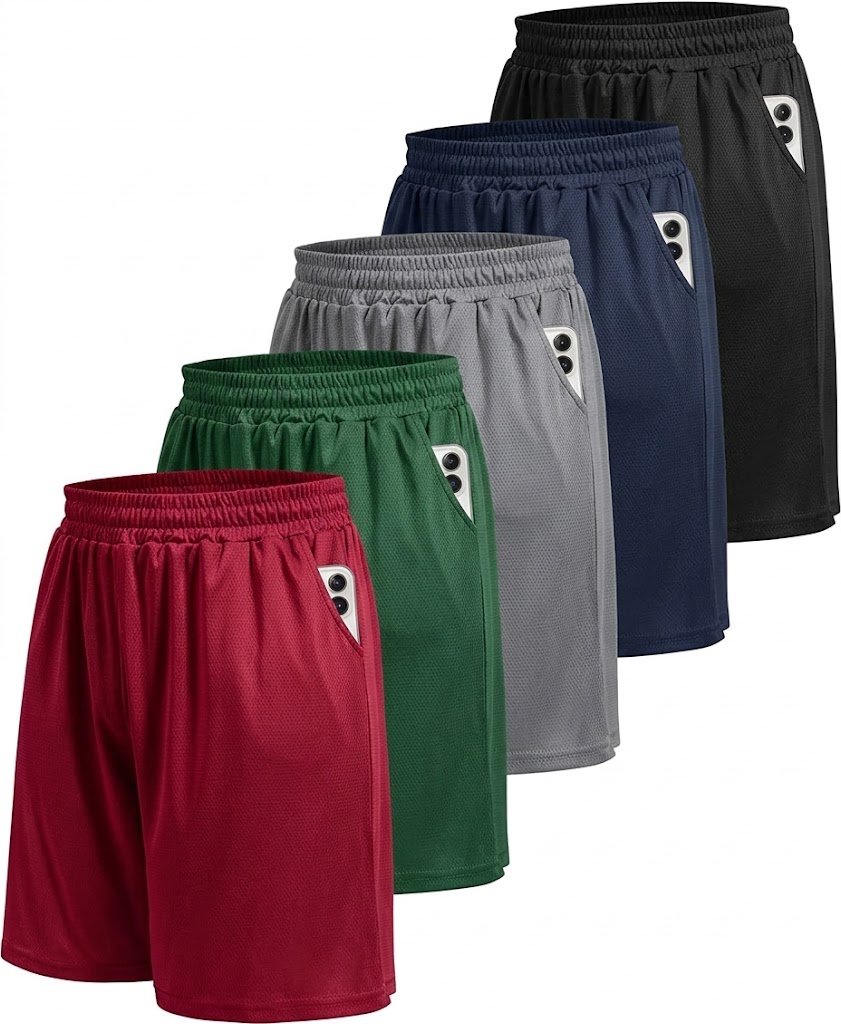
| Hot-weather practice | Lightweight, breathable shirt, suitable shorts, sun protection | Staying comfortable during active outdoor work |
| Indoor meeting or media event | Clean team polo, sweater, or other team-approved smart casual clothing | A polished appearance away from the field |
Build a sideline outfit in layers
For outdoor games, layers usually work better than one heavy garment. Conditions can shift during a long game, and a layered outfit lets you adjust without changing completely. Start with a comfortable base, add warmth as needed, and finish with protection from wind or rain.
Start with a comfortable base layer
Choose a shirt that feels comfortable against your skin and does not restrict your shoulders. In warm weather, a breathable team shirt can help you stay more comfortable while moving. In cold weather, a close-fitting base layer can add warmth without making it difficult to wear a jacket or headset.
Avoid cotton as your only layer in cold, wet conditions. It can hold moisture and feel clammy when temperatures drop. A quick-drying synthetic or wool-blend layer may be a better choice for staying comfortable through changing conditions.
Add warmth without losing mobility
A fleece, sweatshirt, or team-branded quarter-zip can add warmth over a base layer. Check that the sleeves and shoulders allow you to signal, point, and demonstrate movements. If you wear a headset, make sure the collar and hood do not interfere with its fit.
Use an outer layer for wind and rain
A light shell can block wind and help keep rain off your other layers. Choose one that is easy to open or remove when the weather eases. If rain is expected, consider how the fabric performs when wet and whether the hood or collar will interfere with communication gear.
Do not rely on a jacket alone to keep you warm. A jacket may block wind, but warm inner layers help retain heat. A hat and gloves can also matter when you are standing outside for an extended period, especially during cold, windy games.
Pick shoes for the surface and the job
Football coaches generally need shoes that feel stable, comfortable, and appropriate for the field or facility. Many choose athletic trainers or turf shoes for practice and sideline work. The right option depends on the surface, weather, how much you move, and any team or venue rules.
Players’ cleats are designed for traction during play. Coaches usually do not need them, and wearing them may be uncomfortable on hard walkways or indoor floors. If a field is especially wet or uneven, ask the athletic staff what footwear is appropriate rather than assuming player cleats are the answer.
Look for a secure fit and a sole that suits the ground you will actually walk on. Shoes that feel fine indoors may become slippery on wet grass. If you will be on your feet for hours, comfort and support can matter more than matching a particular style of shoe.
- Grass: Choose athletic shoes with dependable grip and enough support for uneven ground.
- Artificial turf: Use footwear that feels stable on the surface and follows any venue guidance.
- Indoor spaces: Wear clean athletic shoes with soles suitable for the floor.
- Wet conditions: Prioritize traction and avoid worn soles that have lost their grip.
Dress for heat, cold, rain, and sun
Weather preparation is not just about comfort. Being cold, overheated, soaked, or squinting in bright sun can make it harder to focus on players and communicate clearly. Plan around the forecast, but bring one extra layer if the temperature or wind may change during the event.
Hot and sunny conditions
Choose lightweight, breathable clothing and avoid unnecessary layers. A cap can reduce glare, while sunscreen and water help address sun exposure and hydration. Follow your school or organization’s sun-safety guidance, especially during long practices.
Light-colored clothing may feel more comfortable in direct sun, but team colors or dress expectations may take priority. If you must wear a dark team top, consider lighter, breathable bottoms where permitted and take breaks in shade when possible.

Champro Safety Integrated Football Practice Pants - Youth
Check Price on AmazonCold and windy conditions
Use several layers rather than one bulky coat. A base layer, warm midlayer, and wind-blocking shell give you options as conditions change. Gloves should let you handle a phone, play sheet, or communication device without needing to remove them every time.
Keep spare dry socks or a dry top in your bag if you expect snow or rain. Wet clothing can become uncomfortable quickly, and a simple change may make the rest of the game or practice much more manageable.
Rain and changing conditions
For rain, wear a shell that allows comfortable movement and consider a brimmed cap beneath a hood. A waterproof layer can help, but it should not be so stiff or noisy that it interferes with communication. Keep electronics and paper materials protected in a suitable case or bag.
Follow team expectations and keep the look professional
Coaches do not all dress the same way. Some programs issue branded gear and expect staff to wear it on game days. Others set broad guidelines, such as wearing team colors or avoiding clothing with rival logos. Professional and collegiate teams may have their own staff standards, while a community team may be more informal.
Ask the athletic director, head coach, or team administrator what is expected before an important game, media appearance, or school event. This is particularly useful if you are a new coach or will be representing the team at an away venue. The playing rules do not create one universal outfit for coaches, so local expectations matter.
Keep clothing clean, in good repair, and suitable for the setting. A neat team polo may be appropriate for a game or meeting, while a training shirt may make more sense for a physically active practice. Clothing with large personal slogans, distracting graphics, or unrelated team branding can conflict with a coordinated sideline appearance.
Also distinguish coach attire from officials’ uniforms. Referees wear clothing that identifies them as officials, and coaches should not imitate that look. If a league or event gives specific directions about staff clothing, follow those instructions rather than relying on assumptions about what coaches usually wear.
Common coaching outfit mistakes to avoid
- Wearing a new pair of shoes on game day: Break in shoes during practice or ordinary wear first. A shoe that rubs or feels unstable can become a problem over several hours.
- Dressing for the kickoff temperature only: Games and practices can last through weather changes. Bring a layer you can put on or remove.
- Choosing appearance over movement: Very tight, stiff, or bulky clothing can make it harder to demonstrate drills or reach equipment.
- Ignoring the surface: Shoes that work on a dry field may not provide the same grip on wet grass or a slick indoor floor.
- Wearing a hood that blocks communication: Check that outerwear does not interfere with a headset, visibility, or hearing instructions.
- Assuming every team has the same dress code: Ask about local expectations instead of treating one program’s style as a universal rule.
One detail many coaches overlook is how the outfit works with the gear they carry. Try on the full combination of jacket, headset, radio, and play sheet before game day. A pocket that is easy to reach in a polo may be awkward beneath a coat, and a hood may push against a headset. A quick practice run can prevent fiddling with equipment once the game begins.
What to keep in a coach’s sideline bag
A small bag can cover common clothing and comfort needs without turning the sideline into a storage area. Choose items based on the season and the length of the event. Keep personal items separate from team equipment and follow any facility rules about bags.
- A spare team shirt or dry base layer
- A lightweight rain shell or extra warm layer
- Hat and gloves in cold weather
- Water and sunscreen for warm, sunny conditions
- Comfortable spare socks
- A secure case or pouch for communication devices and notes
Pack selectively. If you carry too much, the bag becomes cumbersome and makes it harder to find the item you need. A short checklist before leaving for the field helps more than bringing a full closet.
What should a football coach wear to a game?
A good default is a clean team polo, quarter-zip, or other approved team top, paired with comfortable pants or shorts and supportive athletic shoes. Add layers for the weather. If your team has a game-day dress code, that takes priority over general style advice.
Do football coaches wear cleats?
Usually, coaches can wear athletic trainers or turf shoes rather than player cleats. The best choice depends on the surface and conditions. Follow venue guidance, and choose a shoe with suitable traction and support for the ground you will walk on.
Do coaches have to wear team gear?
There is no single rule that applies to every team. A school, league, club, or professional organization may set its own expectations. Ask the person responsible for team operations if you are unsure what to wear.
Can coaches wear shorts on the sideline?
Many coaches wear shorts during warm-weather practices, and some teams allow them for games. Whether they are appropriate depends on team standards, the event, and the weather. Choose a length and fit that allow you to move comfortably and look suitable for the setting.
Football coaches usually dress in team-appropriate clothing that supports movement, matches the weather, and fits the setting. Comfortable shoes, useful layers, and a check of local dress expectations matter more than copying one particular sideline style.
Before your next game or practice, confirm the team’s clothing guidelines and try your full outfit with any headset or equipment you use. Pack one weather-ready layer and shoes suited to the surface.
That practical approach is how football coaches dress with comfort and preparation in mind, without sacrificing a coordinated appearance.